
Last Updated on January 13, 2026
Port Aransas earned the official title “Fishing Capital of Texas” in May 2025 when Governor Abbott signed HCR 117. The designation wasn’t symbolic. The town sits where the Corpus Christi Ship Channel meets the Gulf of Mexico, putting anglers within reach of bay flats, nearshore reefs, and deep-water structure in a single day.
The continental shelf drops closer to shore here than at most other Texas ports. That means shorter runs to blue water and more time with lines in. While Florida gets more press for Gulf Coast fishing, the Texas middle coast offers comparable diversity without the crowds. Many of the same species that draw anglers to Florida’s Panhandle and Alabama’s Gulf Shores swim through Port Aransas waters.
Inshore, the surrounding bays and estuaries create a nursery system where freshwater inflows mix with saltwater. This brackish water supports the food chain that feeds everything from juvenile redfish to migrating tarpon. TPWD biologists note that red drum depend on these estuarine conditions during the first three years of their lives before moving to the Gulf as adults.
Inshore vs. Offshore Fishing
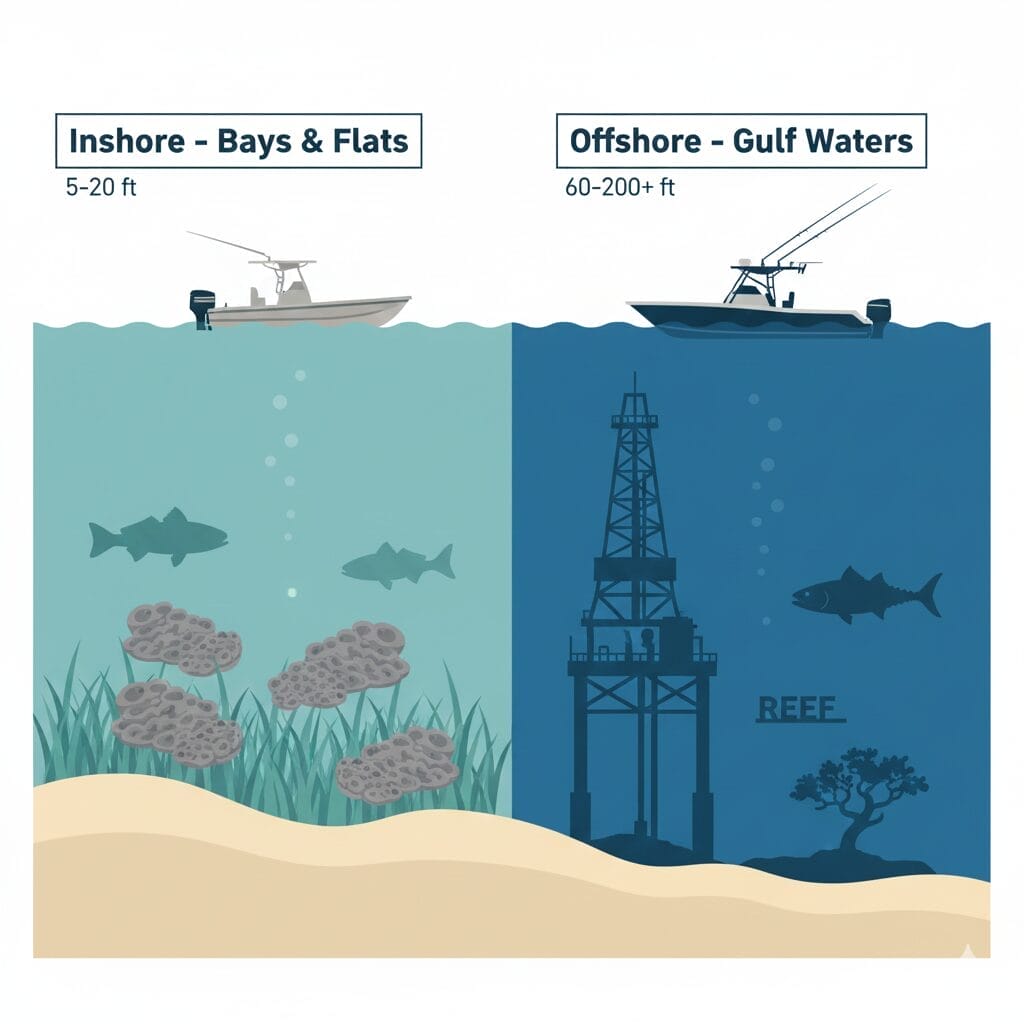
Inshore fishing happens in bays, estuaries, and along the jetties. Water depths rarely exceed 20 feet. You’re working grass flats, oyster reefs, and channel edges, often sight-casting to fish feeding in skinny water. Trips run 4-6 hours and stay within protected waters.
Offshore fishing means running past the jetties into the open Gulf. Nearshore structure begins approximately 10 miles offshore. The first major reefs and humps (Aransas Bank, Hospital Rock, Big Southern) sit 20-42 miles from the jetties. True blue water, where the bottom drops past 600 feet, begins around 30 miles offshore. Oil rigs at 50-60 miles hold trophy-class pelagics. These fishing trips run 8-12 hours or longer, depending on targets and conditions.
For month-by-month breakdowns of when each species bites best, see our Port Aransas fishing calendar.
Inshore Species
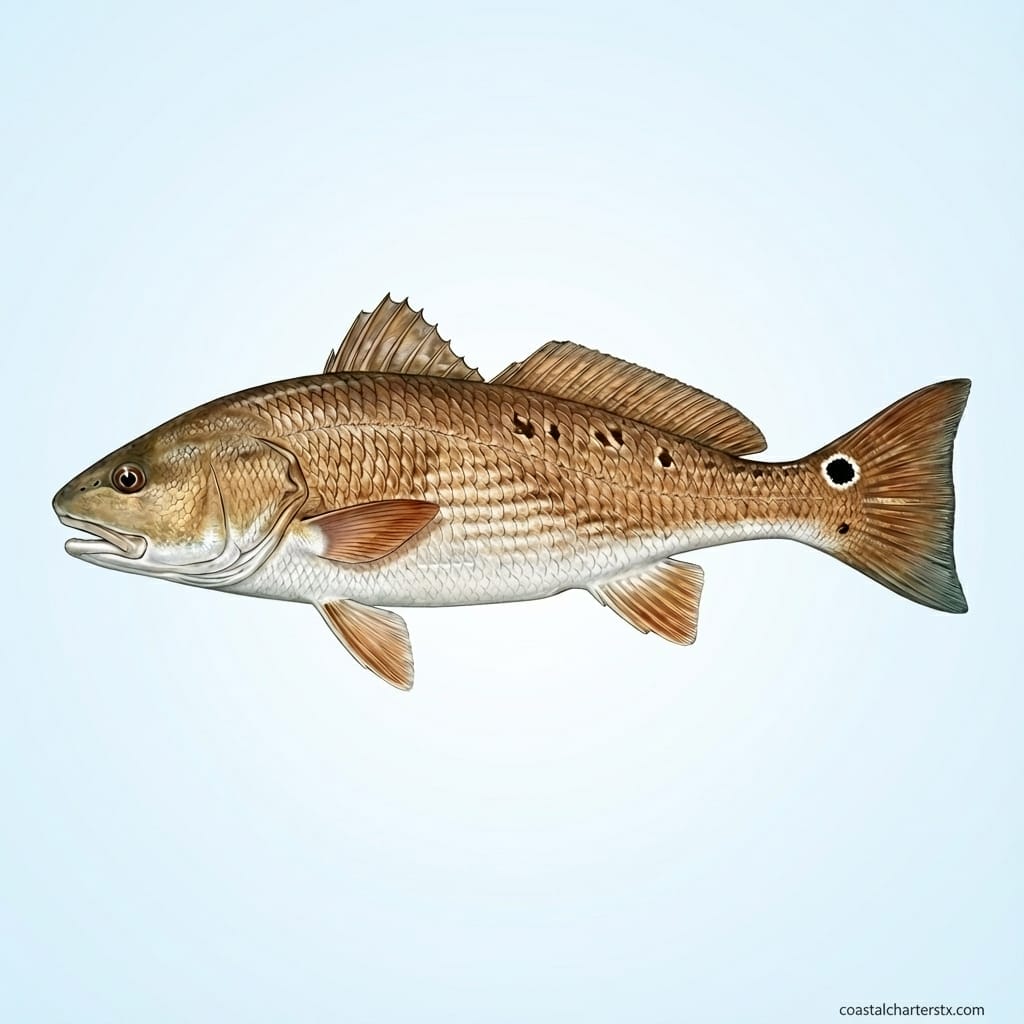
Red Drum (Redfish)
Redfish are the most targeted game fish in Texas saltwater. The Texas Parks & Wildlife Department stocks about 30 million fingerlings into state bays annually, and the fishery has recovered to become one of the strongest on the Gulf Coast.
Most redfish caught in Port Aransas bays run 20-28 inches and weigh 4-5 pounds. The Texas state record stands at 59.5 pounds, caught in the Gulf of Mexico in 2000. Bull reds (fish over 30 inches) move into the surf and around the jetties during the fall spawning run, typically September through November.
Slot limits in Texas are 20-28 inches, with a daily bag of 3. You can keep one oversized fish per year with a special tag.
Peak seasons: Spring and fall. See the full calendar →
Spotted Seatrout (Speckled Trout)
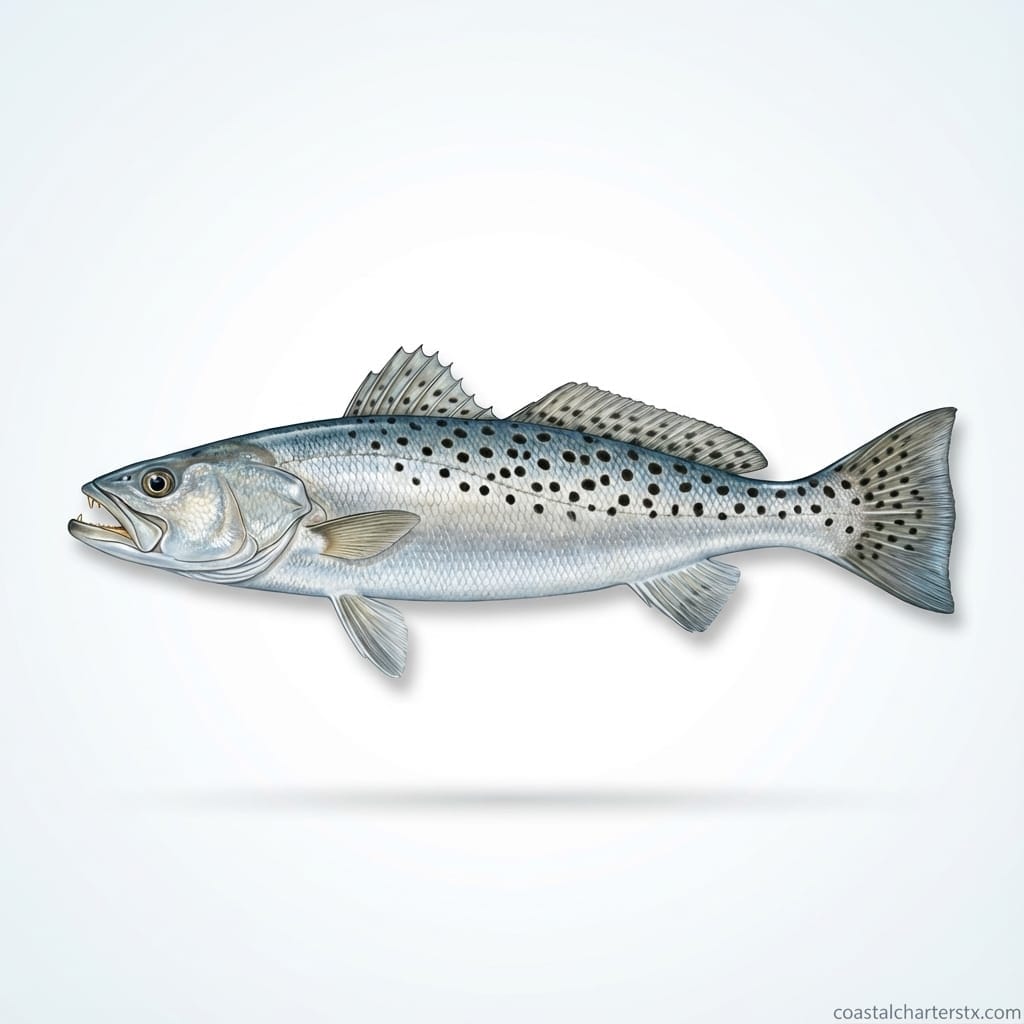
Specks are the second pillar of Texas inshore fishing. They hold along grass edges, channel drops, and shell reefs, ambushing shrimp and small baitfish. Average fish run 15-20 inches and 2-3 pounds. The Texas record is 16 pounds, caught in the Lower Laguna Madre in 2002.
Spring and fall produce the best trout fishing around Port Aransas. Winter cold fronts push bigger fish into deeper holes in Redfish Bay and the Lydia Ann Channel.
Peak seasons: Spring, fall, and winter for trophy fish. See the full calendar →
Black Drum
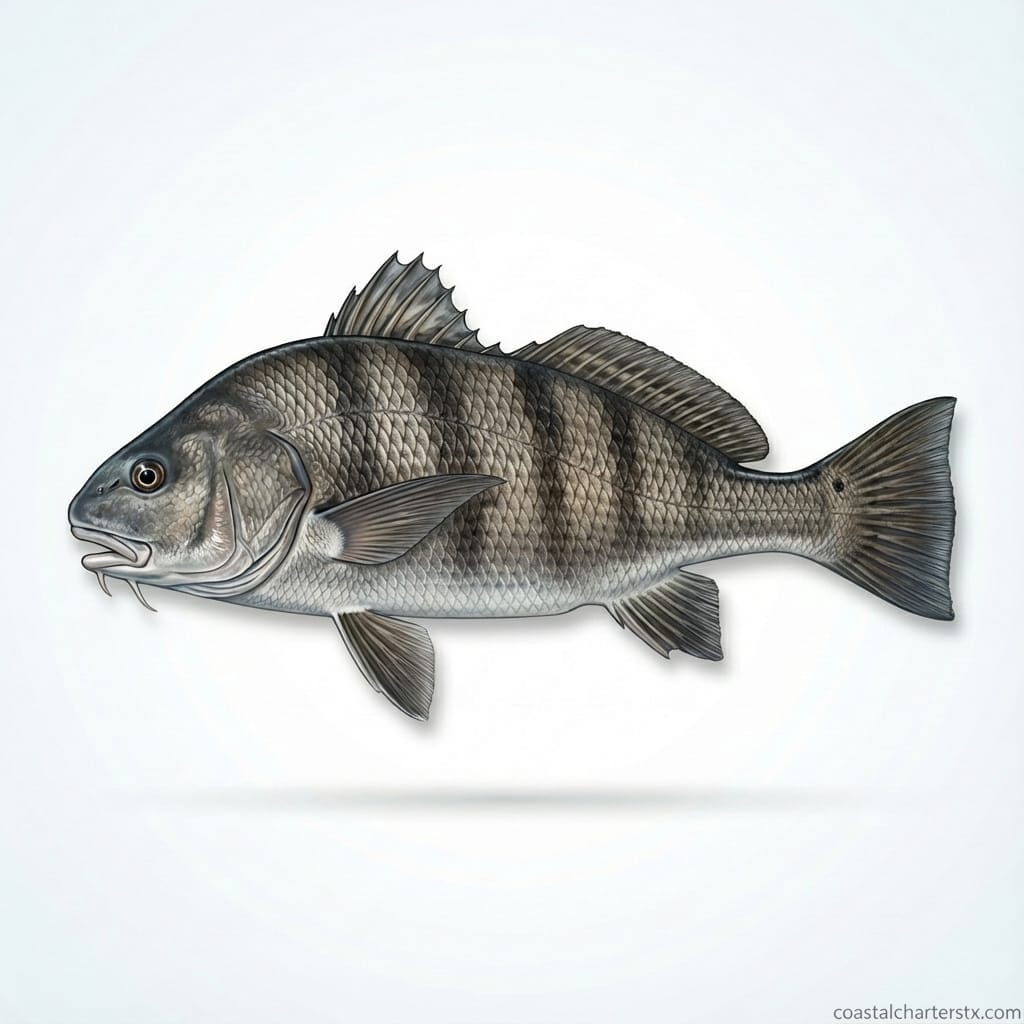
Black drum are bottom feeders with chin barbels they use to root out oysters, crabs, and shrimp. Smaller fish (under 14 pounds) have mild, firm meat. The Texas state record is 81 pounds, caught in the Gulf in 1988.
The bull drum run happens from February through April. Big fish stack up around the jetties and in the Aransas Pass ship channel. They fight hard but don’t jump. Expect long, stubborn battles.
Peak season: Winter through early spring. See the full calendar →
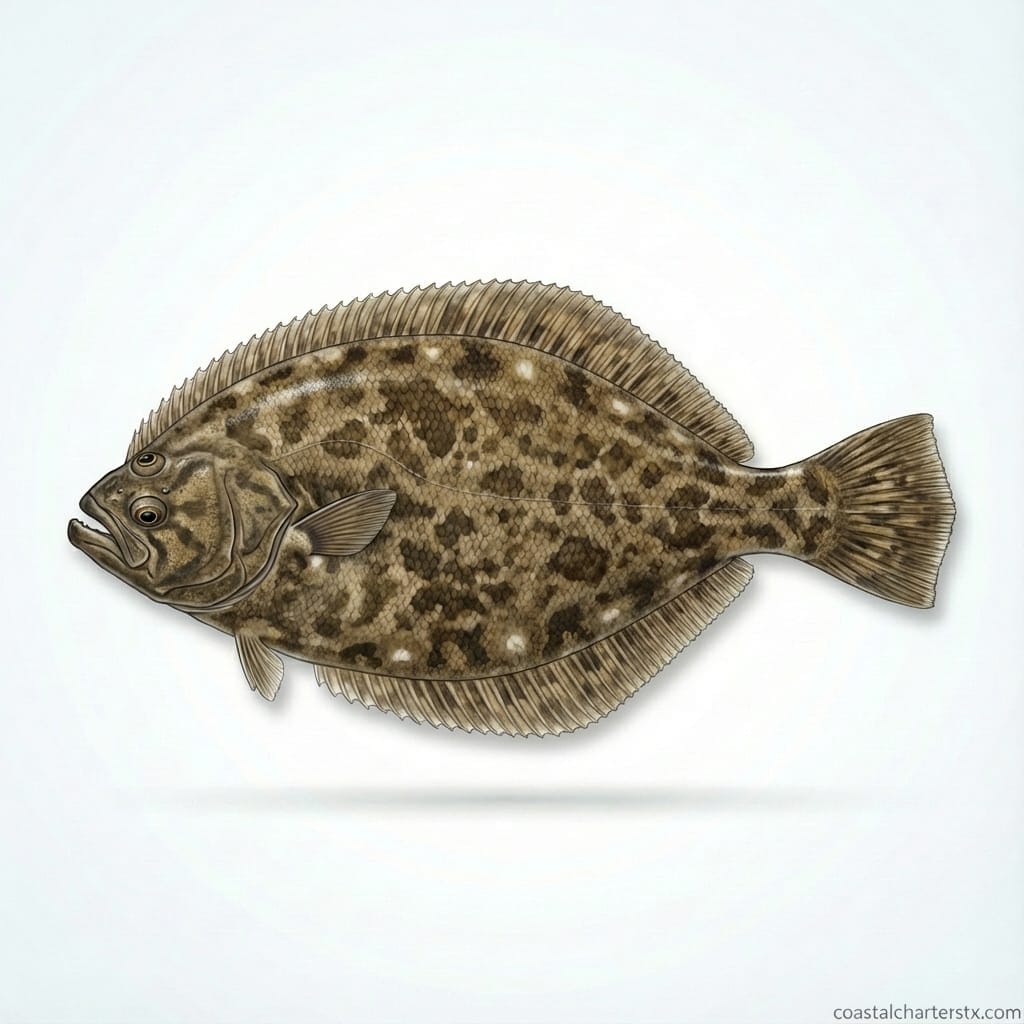
Flounder
Southern flounder are flatfish that lie camouflaged on the bottom, ambushing prey. They prefer sandy or muddy areas near passes, jetties, and channel edges. The Texas record is 13 pounds, set in 1976 and never broken.
Fall flounder fishing peaks in October and November as fish migrate from bays to the Gulf to spawn. Gigging for flounder at night with underwater lights is a local tradition. Their white, delicate meat ranks among the best-eating fish on the coast.
Peak season: Fall (October-November). See the full calendar →
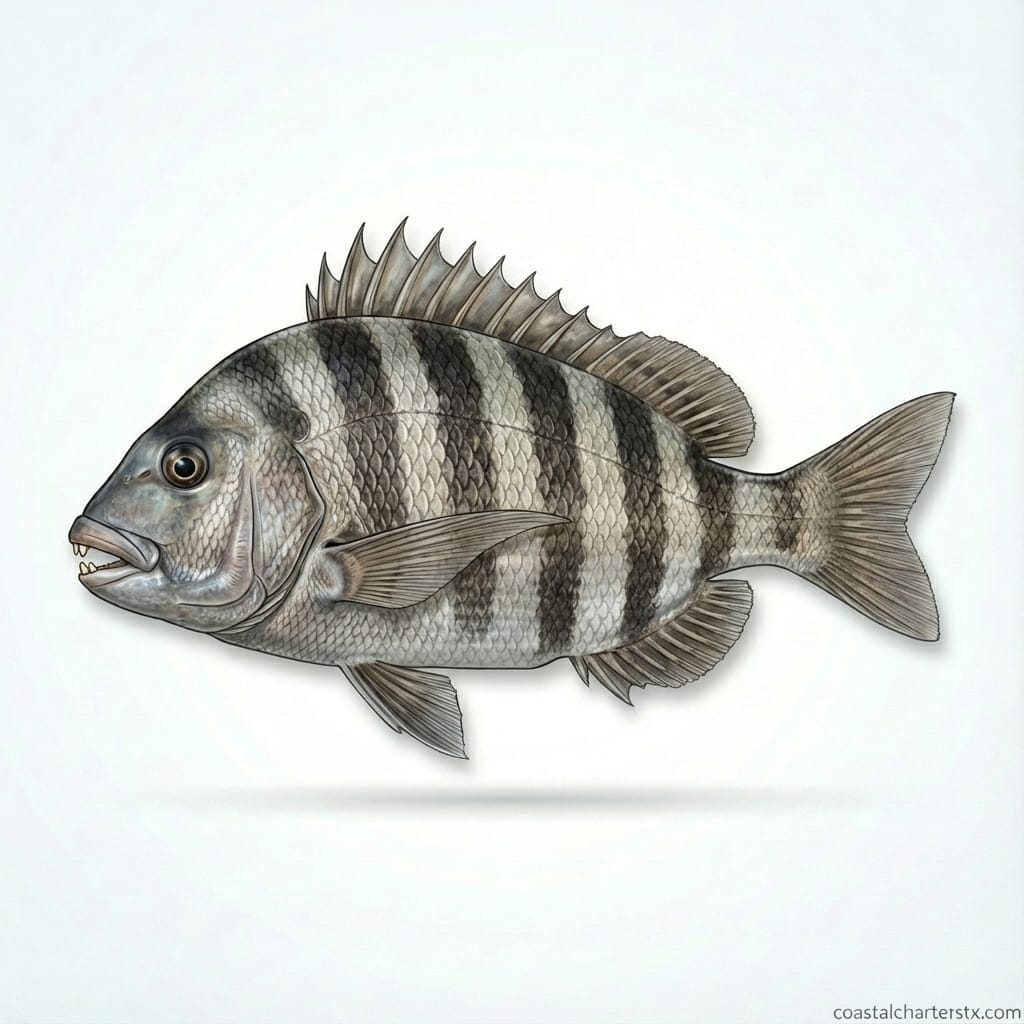
Sheepshead
Sheepshead have human-like teeth for crushing barnacles, crabs, and oysters. They congregate around pilings, jetties, and any hard structure with crustacean growth. Their bite is subtle, and their mouths are hard, so sharp hooks and quick hook sets matter.
Peak season runs January through April. They’re excellent table fare with firm white fillets, often called “poor man’s snapper.”
Peak season: Winter through early spring. See the full calendar →
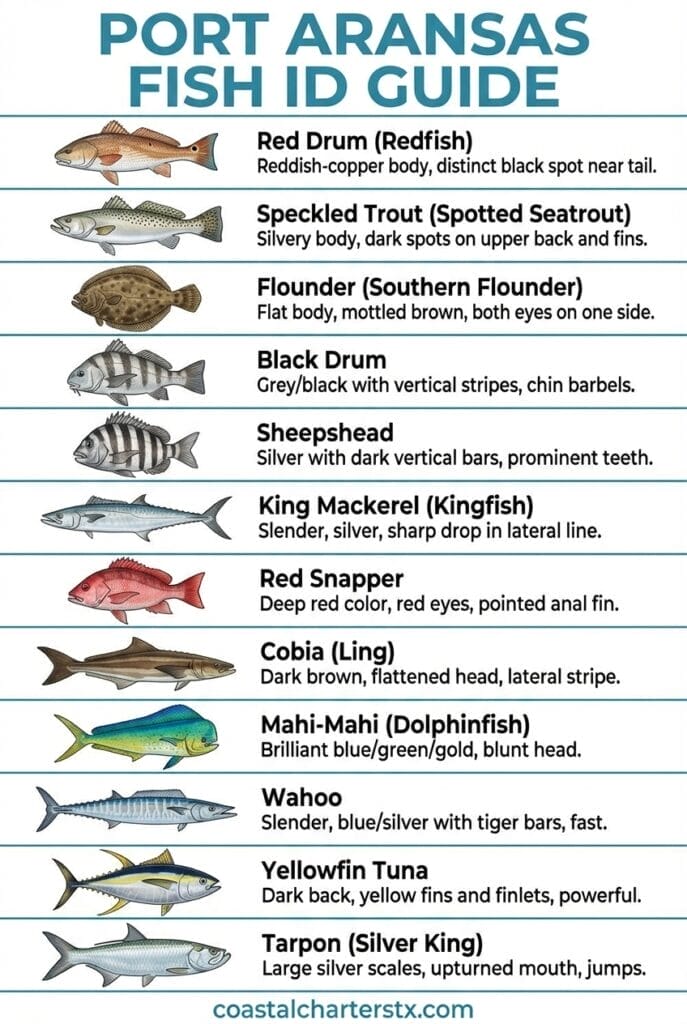
Port Aransas Fish ID Guide
Nearshore and Offshore Species
King Mackerel (Kingfish)
Kingfish are the bread-and-butter offshore target from Port Aransas, available almost year-round. They patrol nearshore structure, shrimp boats, and oil rigs, attacking baitfish with speed and sharp teeth. Wire leaders are mandatory.
Kings inside 20 miles are common during the summer. Average fish run 10-20 pounds, but the Texas record sits at 81.88 pounds.
Peak seasons: Spring through fall. See the full calendar →
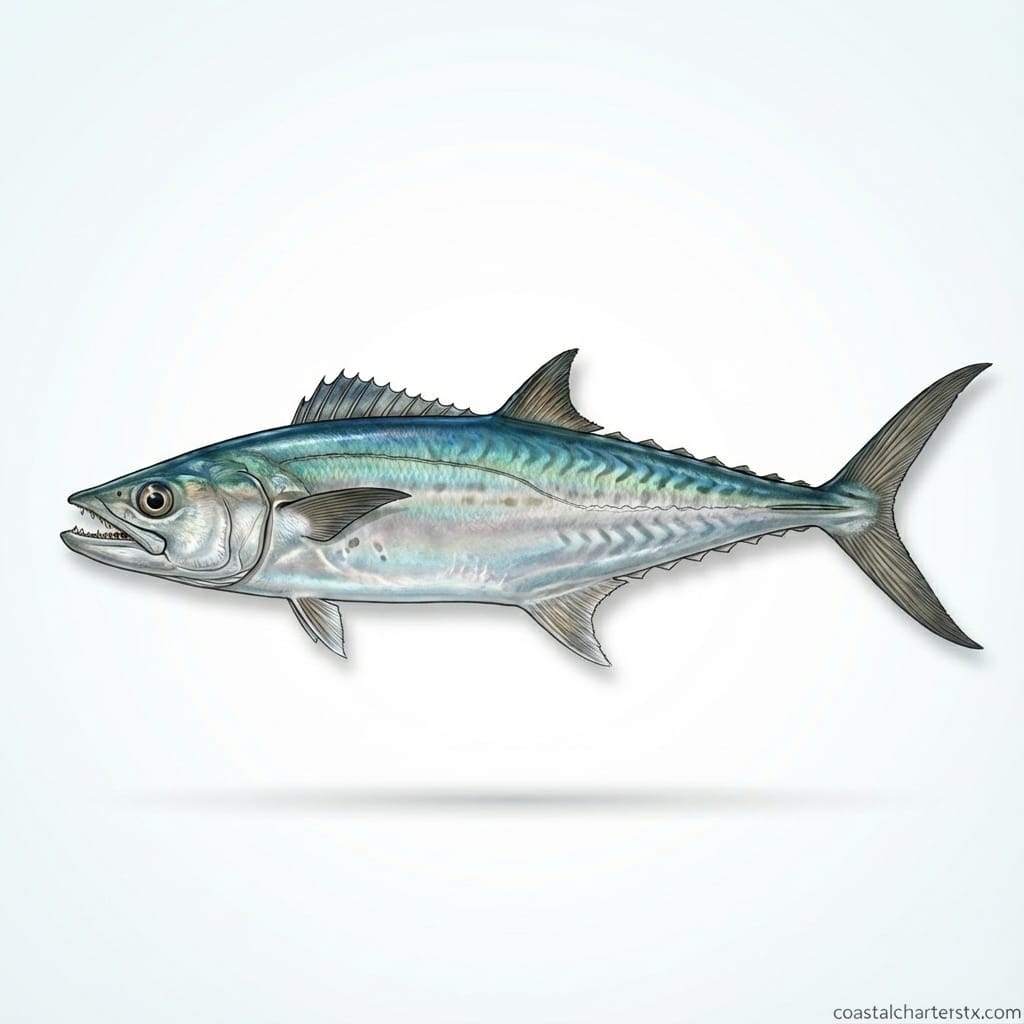
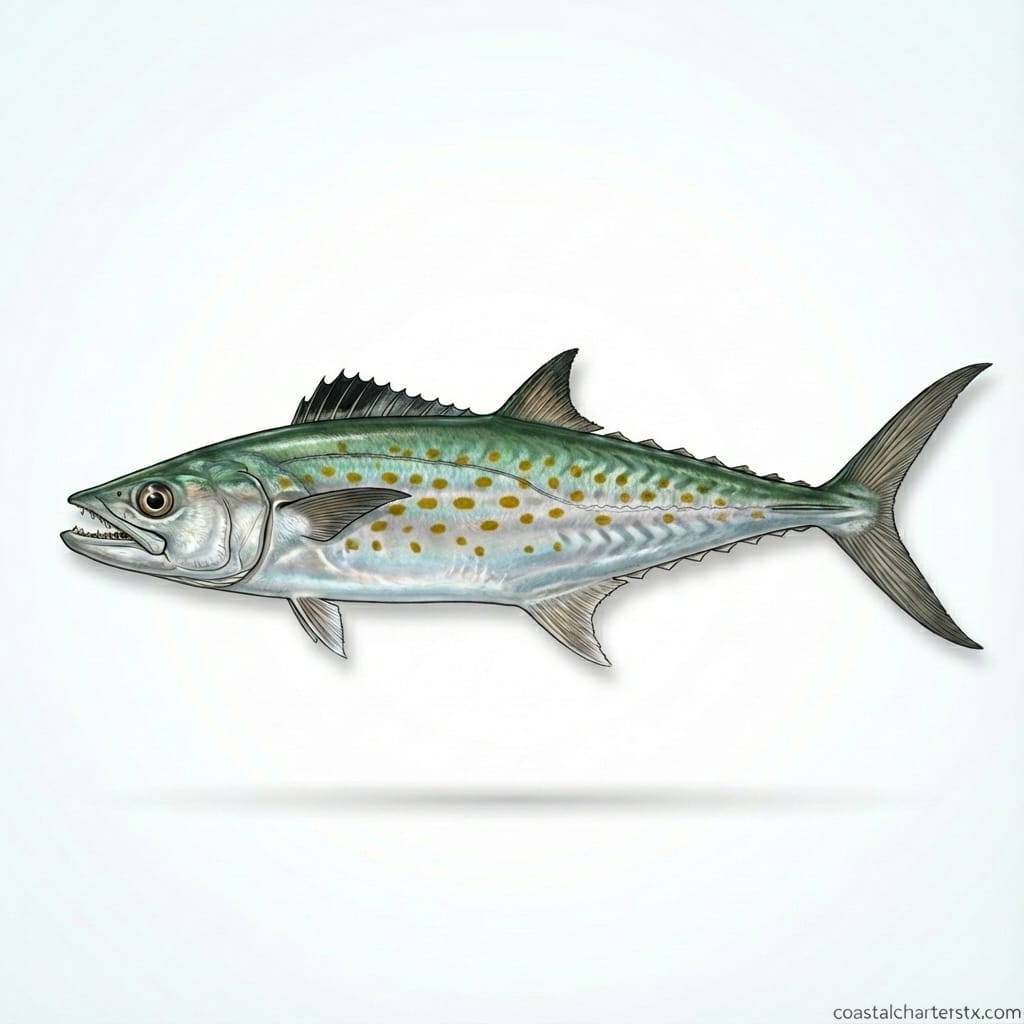
Spanish Mackerel
Smaller and closer to shore than kings, Spanish mackerel often show up around the jetties and nearshore reefs. They run 2-4 pounds on average and hit spoons, jigs, and small live baits aggressively. Good eating when fresh.
Peak seasons: Spring through fall.
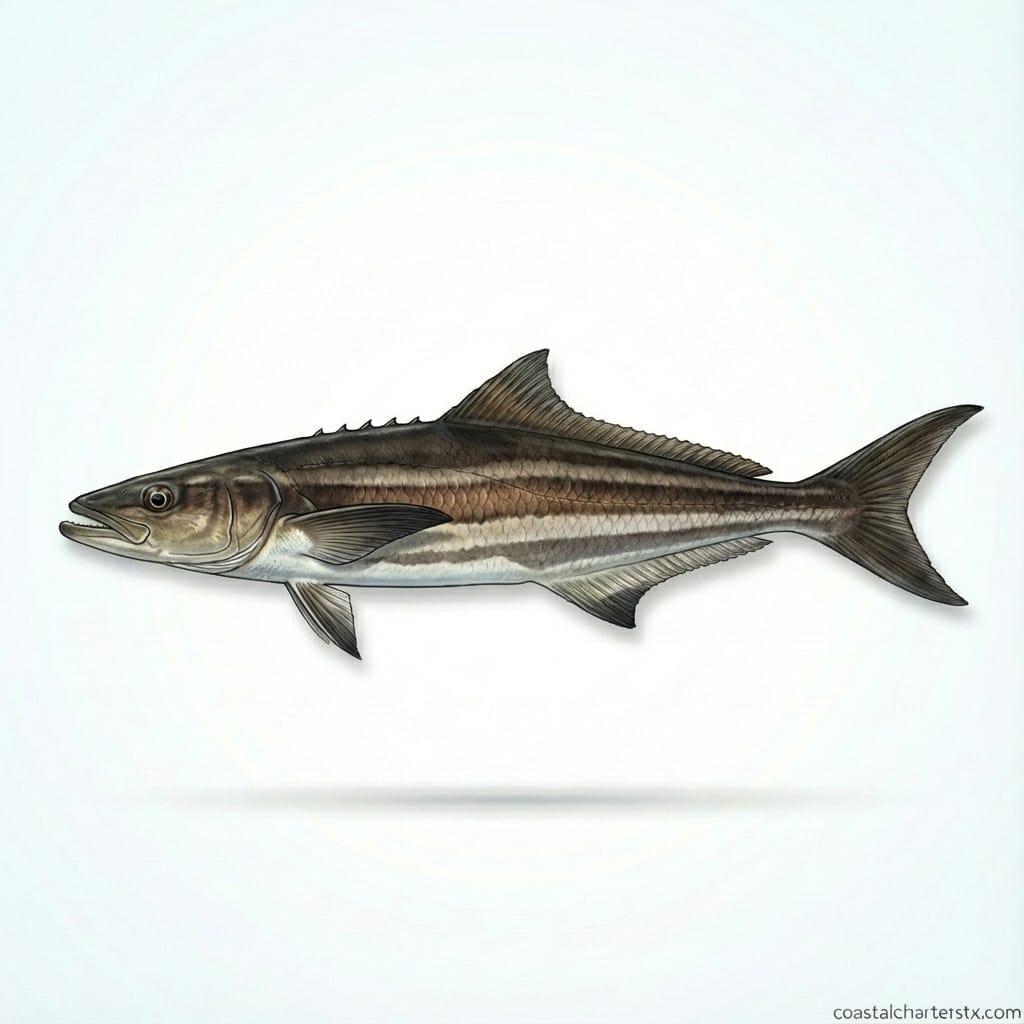
Cobia (Ling)
Cobia (called ling in Texas) average 15-30 pounds but can exceed 100. The Texas state record is 108.44 pounds, caught in 1998. They cruise under floating debris, buoys, and offshore platforms, often following manta rays and sea turtles.
Peak season runs from June through September. Cobia are strong fighters that make powerful runs. Sight-casting to cruising fish is one of the more exciting offshore experiences.
Peak season: Late spring through summer. See the full calendar →
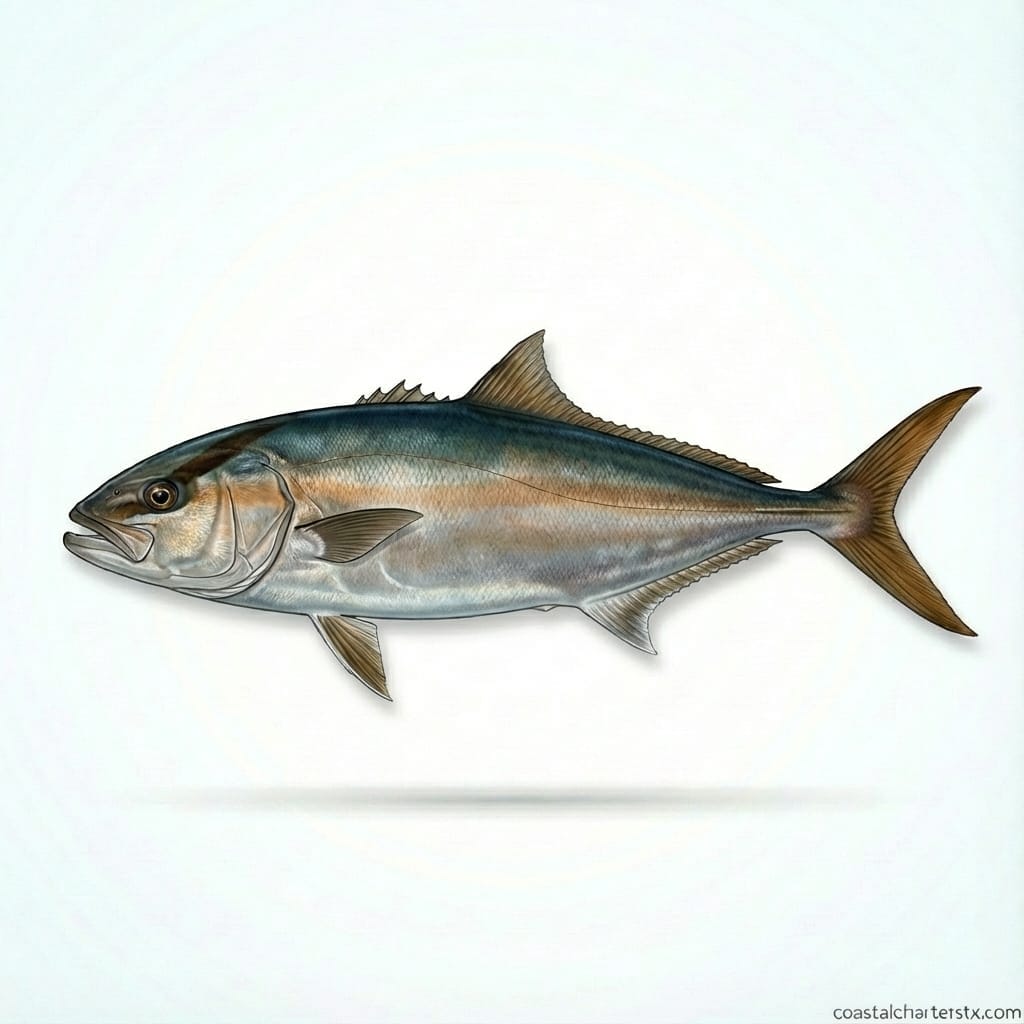
Greater Amberjack
Amberjack are the bruisers of the reef. They hold around oil rigs, wrecks, and deep structure, averaging 30-50 pounds. The Texas record is 121 pounds. Once hooked, they dive hard for structure and test heavy tackle.
They’re available year-round but are most common in warmer months. Federal regulations restrict harvest during spawning season (typically May-July), so check current rules before targeting them.
Note: The recreational amberjack season is currently closed in federal waters through July 31, 2026. Check NOAA for updates.
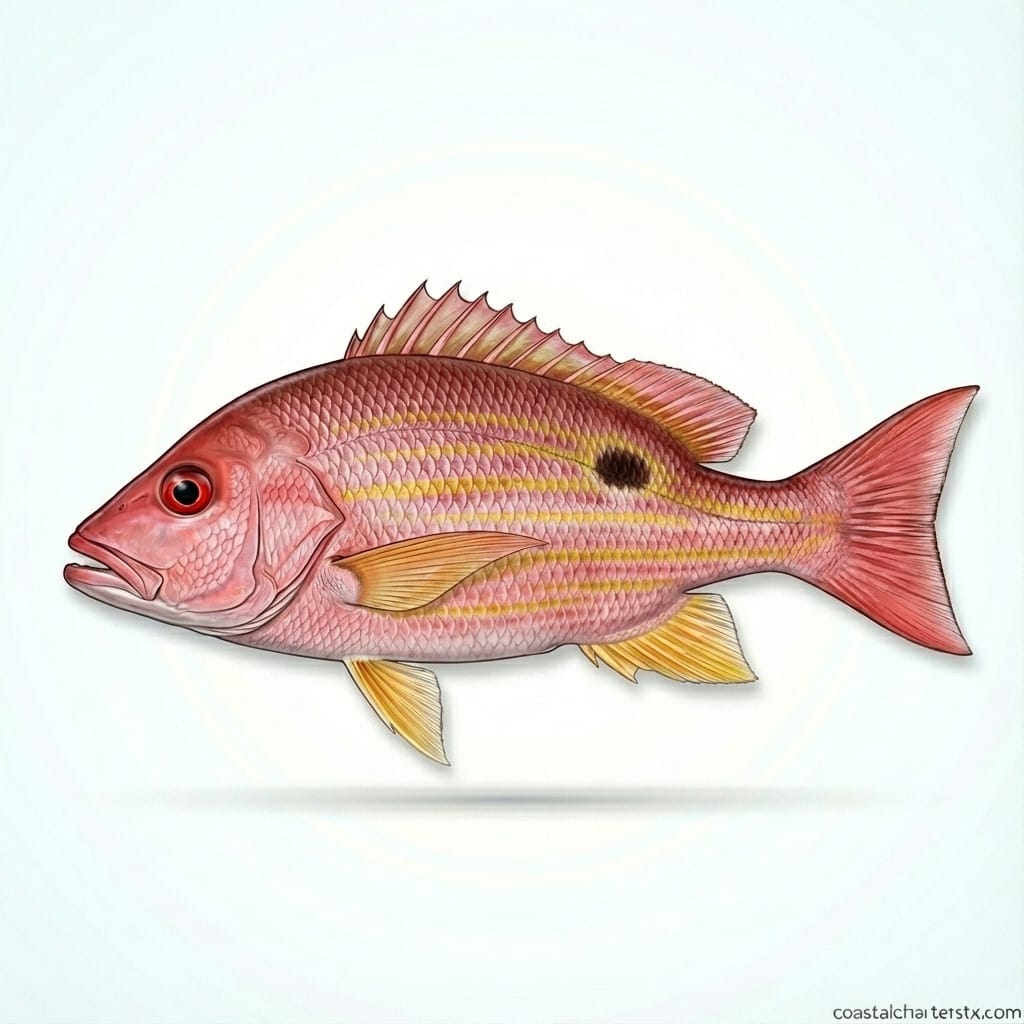
Lane Snapper and Reef Fish
Lane snapper (smaller, with yellow fins) and vermilion snapper (“beeliners”) offer consistent action when red snapper season is closed. Gray triggerfish are another common reef catch with firm, sweet meat.
Red grouper, gag grouper, and other bottom dwellers hold on to deeper structure. They fight hard and immediately try to rock you into cover. Heavy tackle is essential.
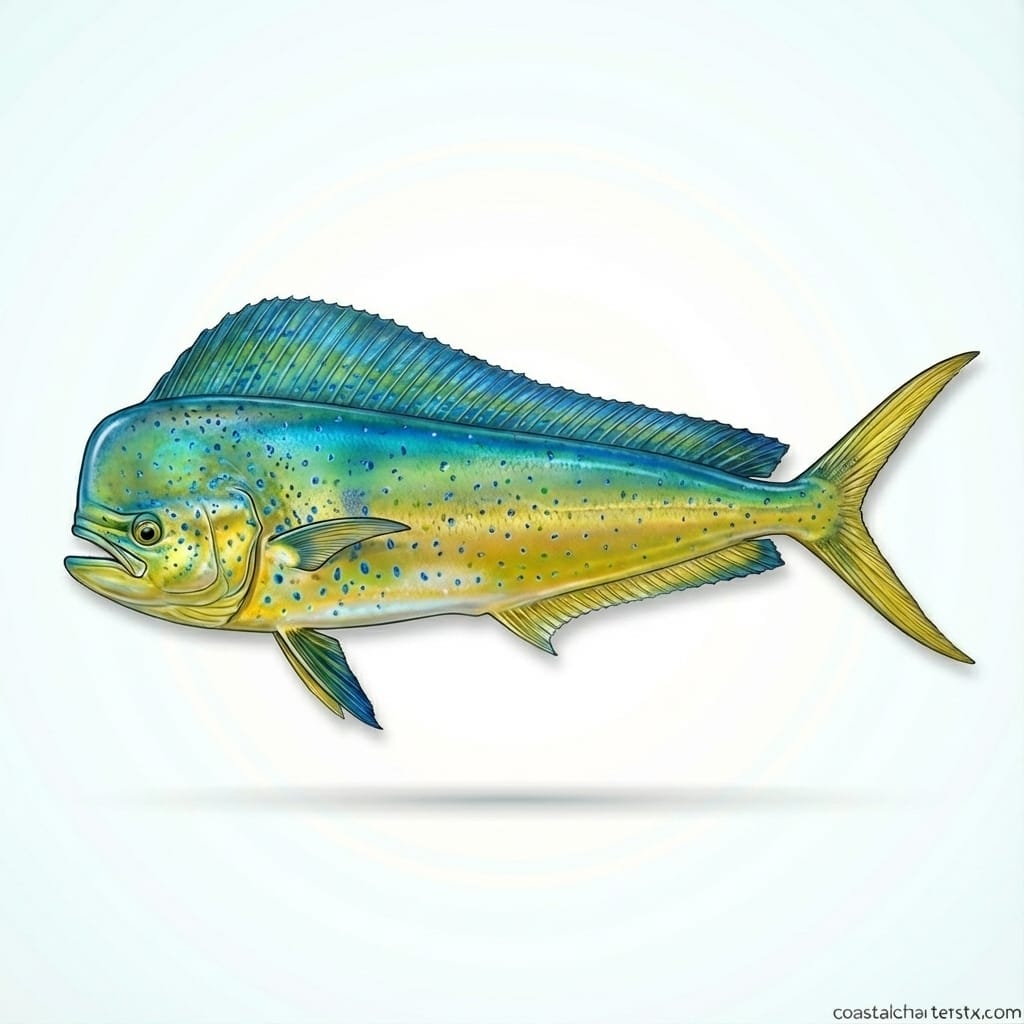
Mahi-Mahi (Dolphinfish)
Mahi-mahi are the most colorful fish in the Gulf, with iridescent blues, greens, and yellows. They school under sargassum weed lines, floating debris, and temperature breaks in open water, typically 25+ miles offshore.
Peak season runs May through September. They’re aggressive feeders, willing strikers, and spectacular jumpers. Their white meat is excellent. Average fish run 5-15 pounds; bulls over 30 pounds are taken each year.
Peak season: Summer. See the full calendar →
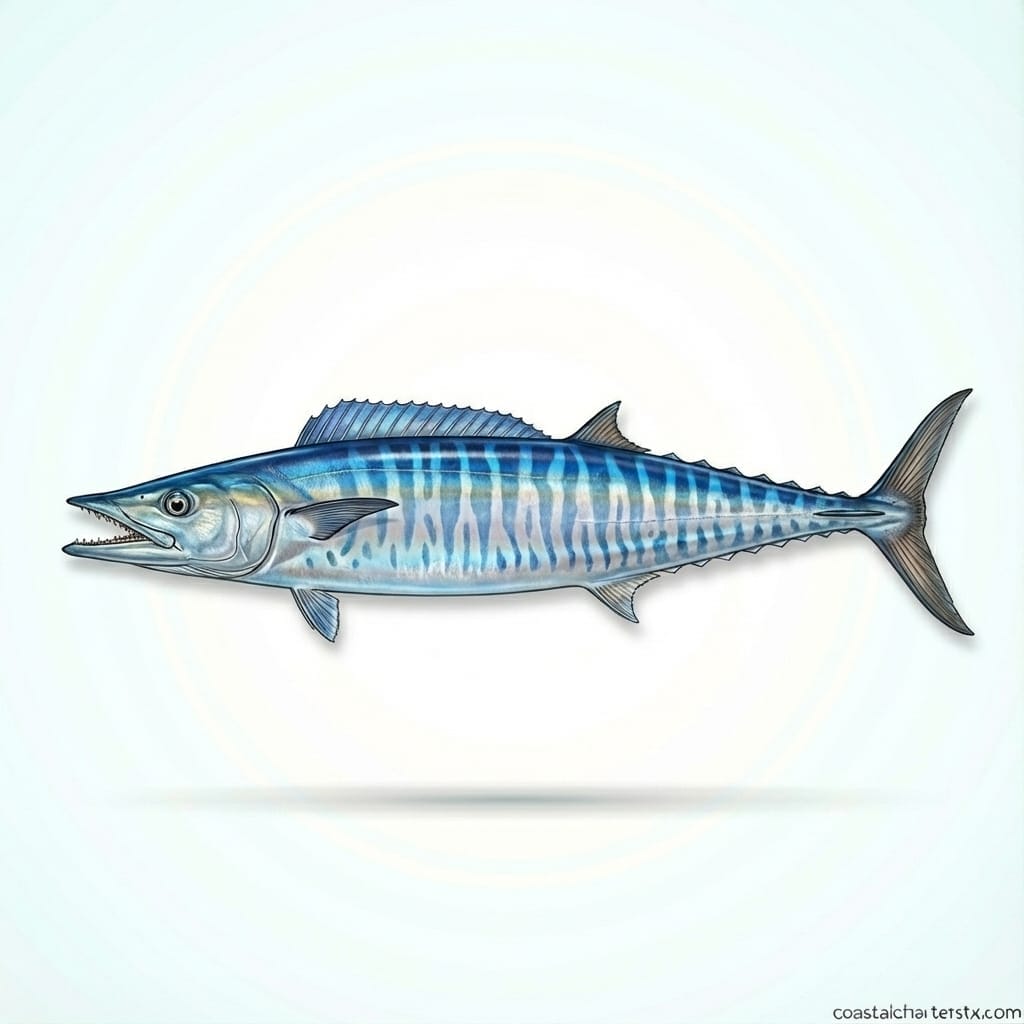
Wahoo
Wahoo are one of the fastest fish in the ocean. They’re built like torpedoes, with razor-sharp teeth, and hold around offshore structures and temperature breaks. The Texas record is 124 pounds, caught in 1987.
Peak season runs from October through January. High-speed trolling with specialized lures or rigged baits is the standard approach. Their firm white meat is among the best to eat.
Peak season: Fall and winter. See the full calendar →
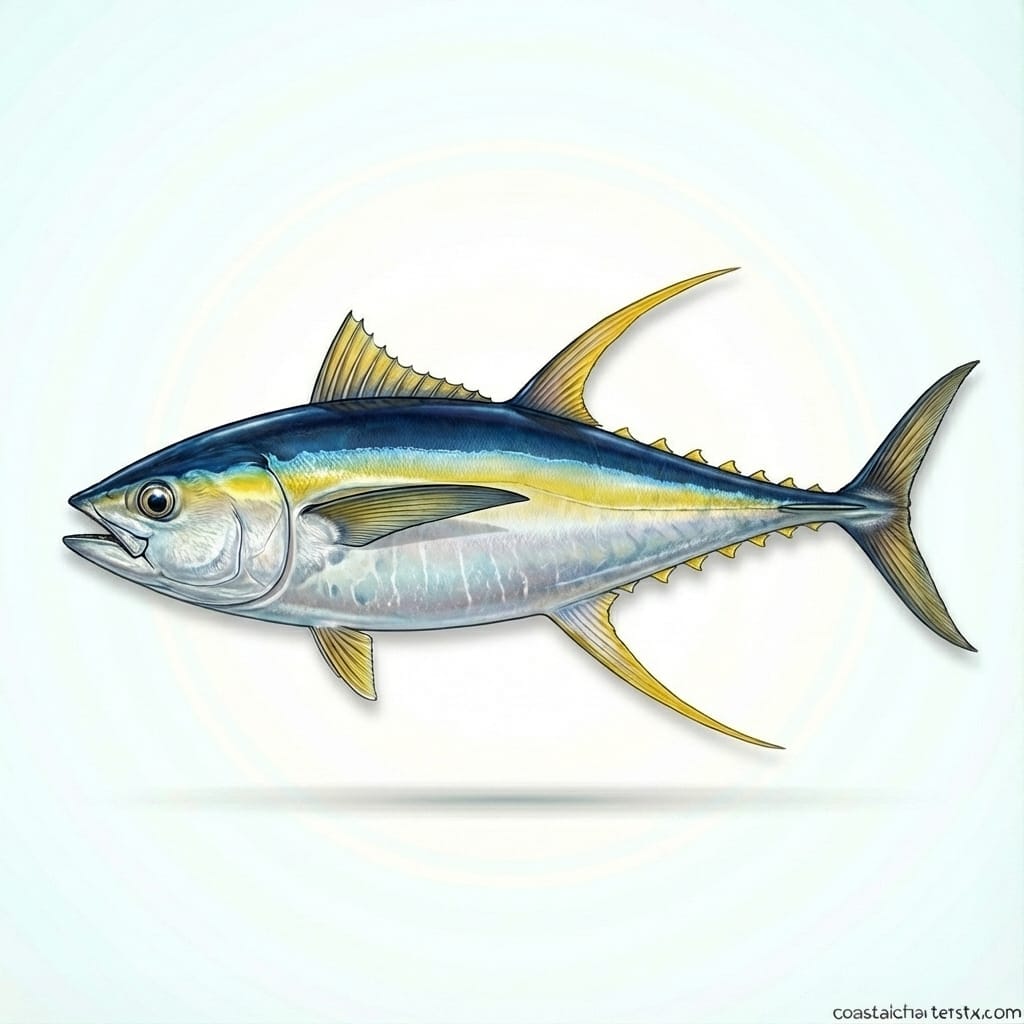
Tuna (Blackfin and Yellowfin)
Blackfin tuna (5-25 pounds) are more common and closer to shore, often around nearshore rigs. Yellowfin tuna are the prize, averaging 30-80 pounds, with fish over 100 pounds possible. The Texas record yellowfin is 216.2 pounds, caught in 1998.
Both species hold around deep-water oil rigs and structures. Chunking (chumming with cut bait), trolling, and vertical jigging all produce. Tuna are among the strongest fighters pound-for-pound in the Gulf.
Peak seasons: Fall and winter. See the full calendar →
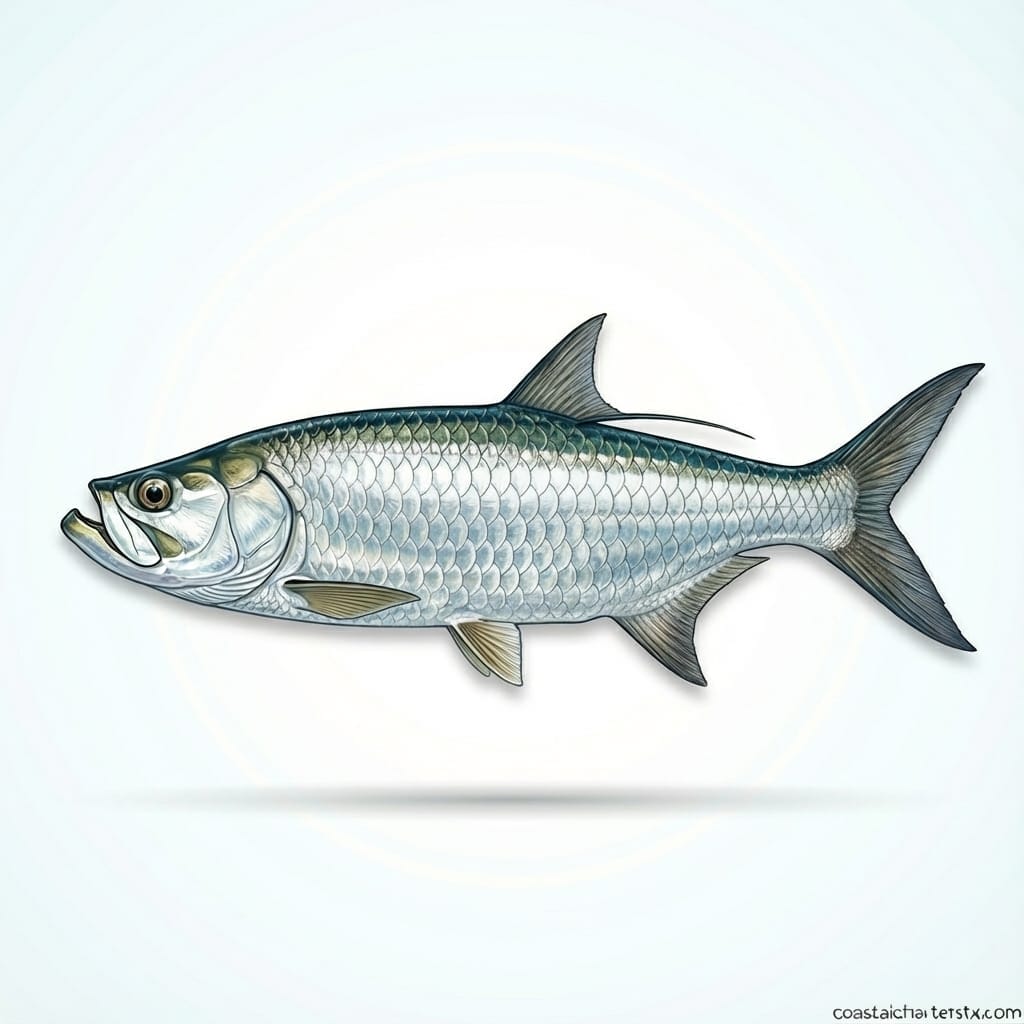
Tarpon
Tarpon (the “Silver King”) are catch-and-release fish in Texas, valued for their spectacular jumps and raw power. They migrate along the beachfront and into passes during summer, with fish regularly exceeding 100 pounds. The Texas record is 229 pounds, caught in 2017.
Southern Texas, including Port Aransas, sees tarpon from June through September. They’re targeted from the jetties, the surf, and by boats working the beachfront.
Peak season: Summer. See the full calendar →
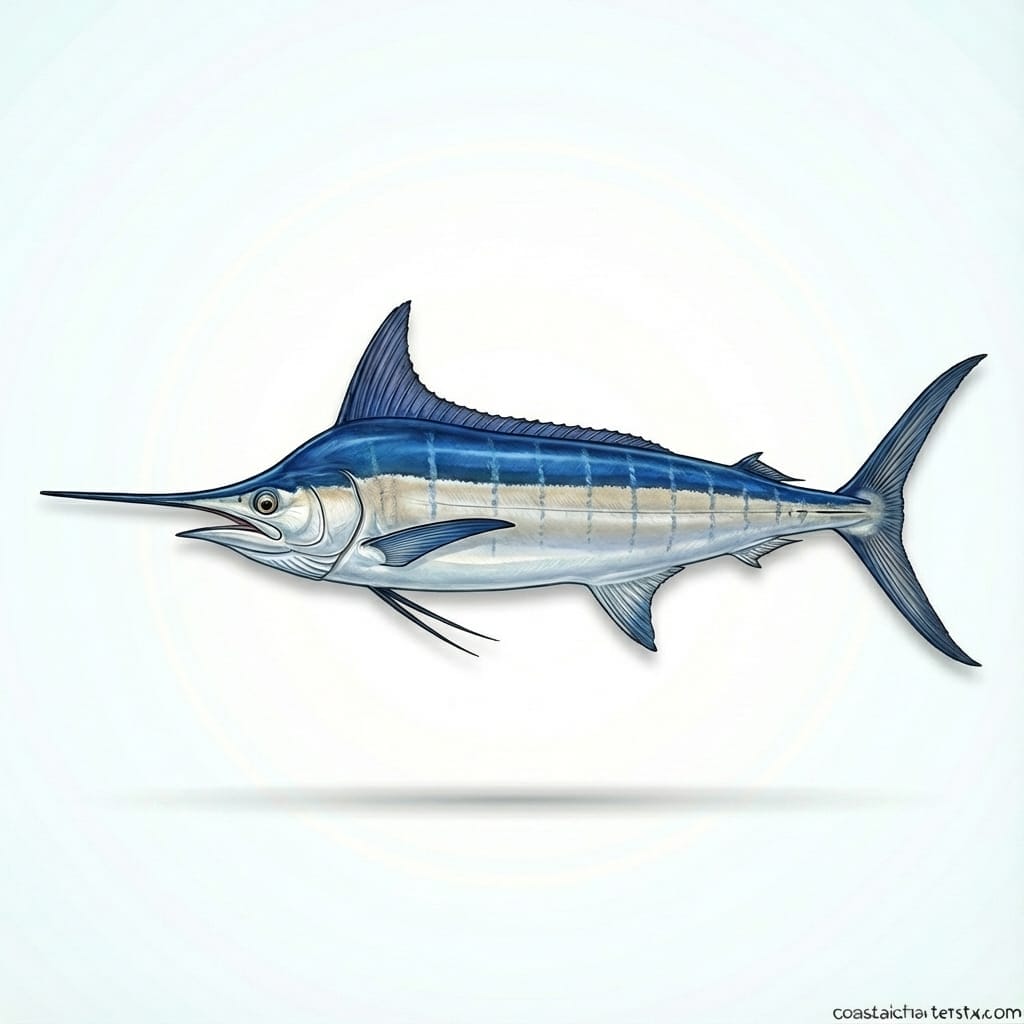
Marlin and Sailfish
Billfish represent the peak of Gulf fishing. Blue marlin can exceed 500 pounds; sailfish run 40-70 pounds on average. Both species appear in deep water (100+ miles) during summer, typically July through September.
Most billfish are released. Landing one is a bucket-list accomplishment for serious anglers.
Peak season: Summer (July-September). See the full calendar →
Additional Species Worth Knowing
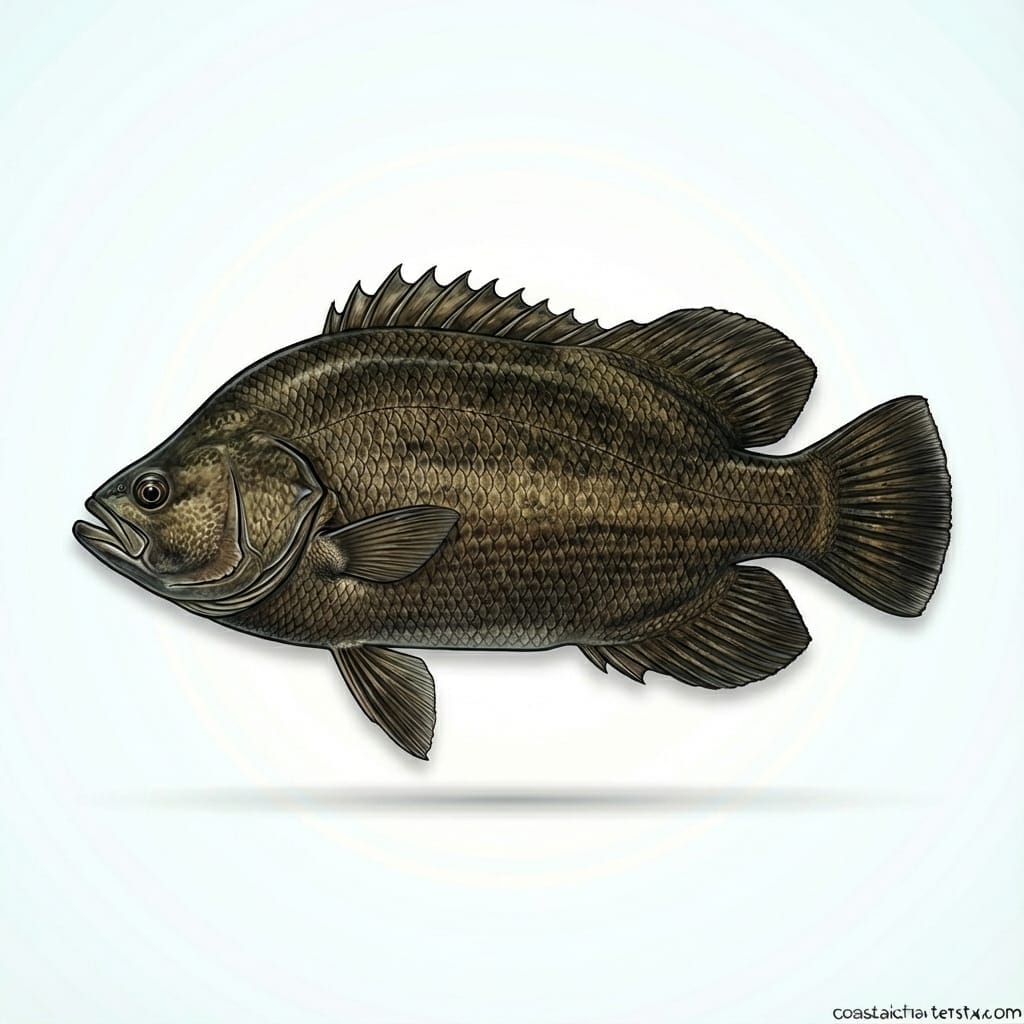
Tripletail
Tripletail float near the surface alongside buoys, crab trap floats, and floating debris. They look like oversized leaves drifting in the current. Average fish run 5-15 pounds. Their white, flaky meat rivals snapper.
Peak season: Late spring through fall.
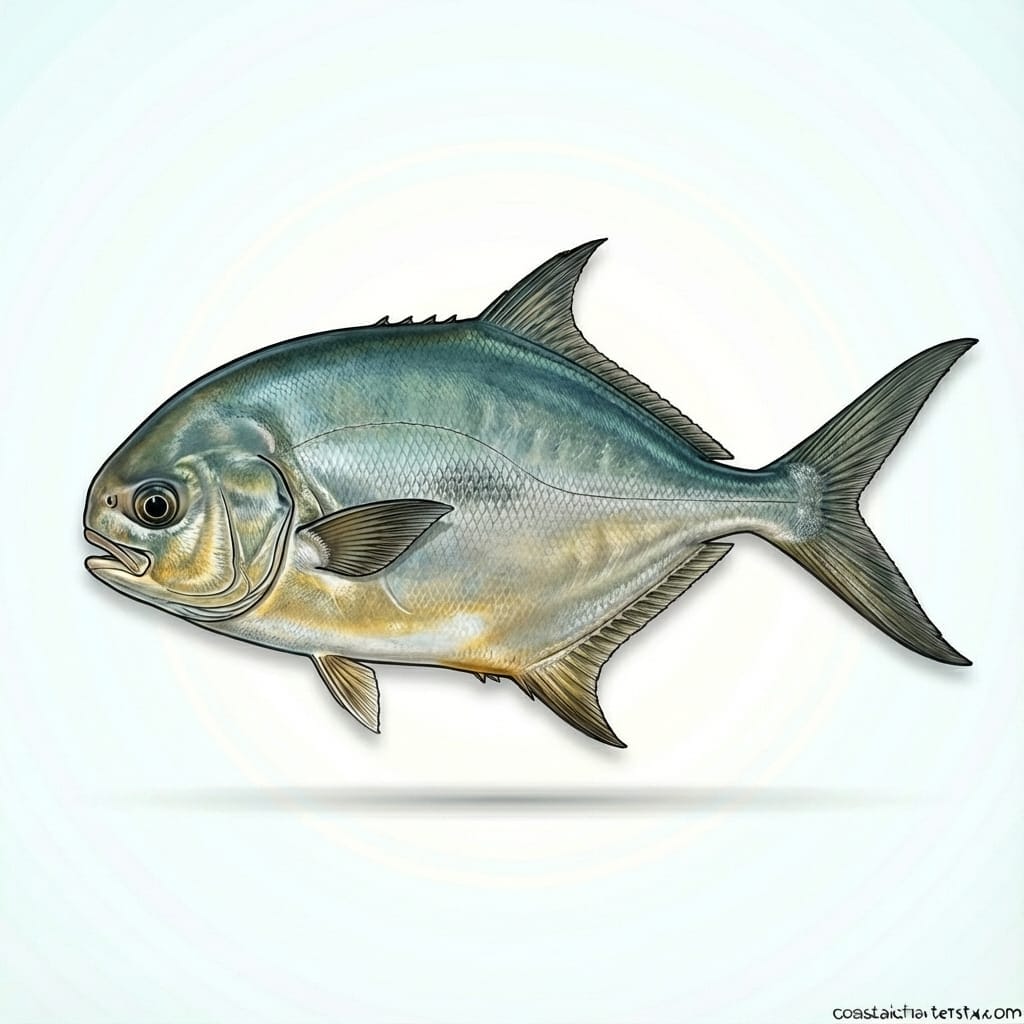
Pompano
Florida pompano run the surf and nearshore waters, especially during spring and fall. They average 1-3 pounds but punch above their weight on light tackle. Pompano are considered one of the best-eating fish on the Gulf Coast.
Peak seasons: Spring and fall.
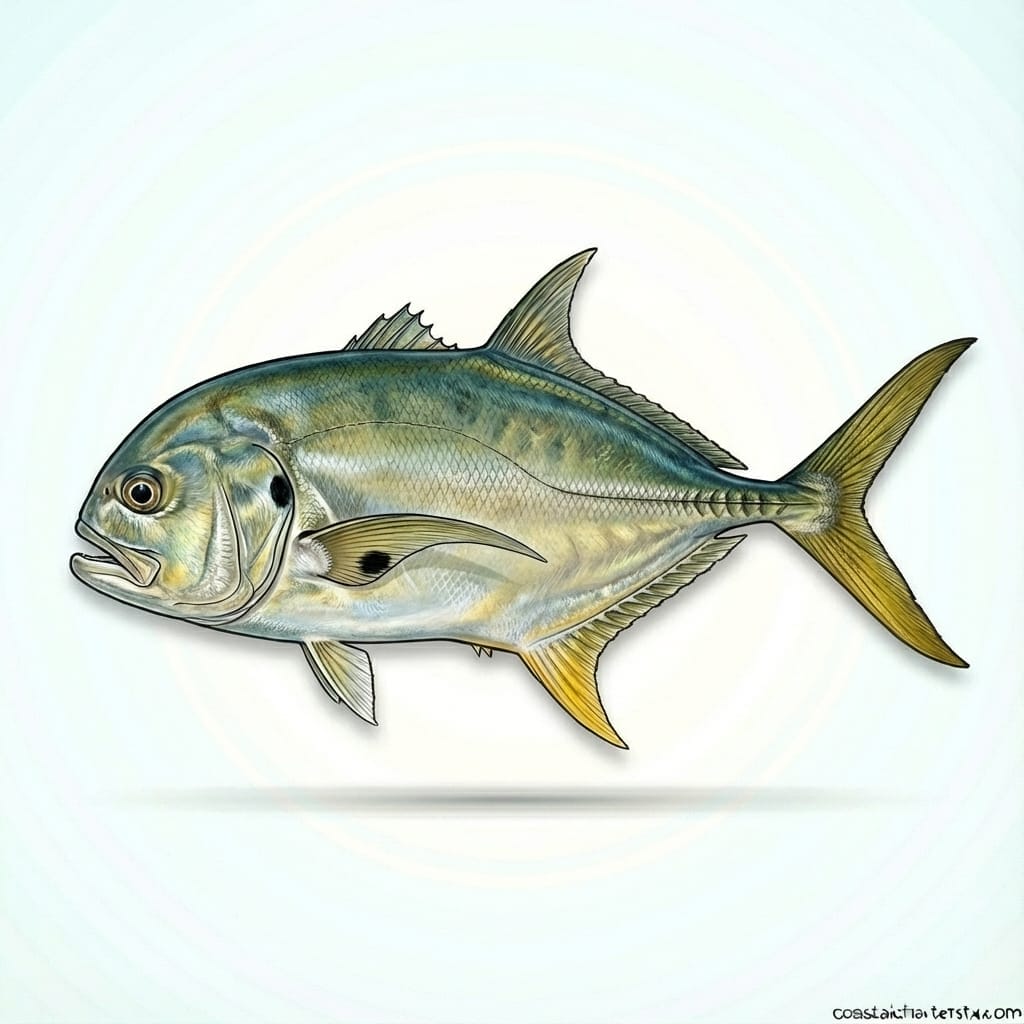
Jack Crevalle
Jacks are pure power. They school in bays and nearshore waters, crashing bait pods with aggressive surface strikes. Fish commonly run 10-20 pounds. Most anglers release them (the meat is bloody and strong-flavored), but the fight is worth the effort.
Peak seasons: Year-round, strongest in summer and fall.
When to Fish
Timing matters as much as tackle. Water temperatures, bait migrations, and federal seasons all affect what’s available.
For detailed month-by-month breakdowns, trip length recommendations, and current season dates, see our Port Aransas Fishing Calendar.
Regulations and Limits
Texas Parks & Wildlife (TPWD) manages state waters out to 9 nautical miles. NOAA Fisheries manages federal waters beyond. Regulations differ between the two, especially for red snapper, amberjack, and triggerfish.
Bag limits, size limits, and seasons change regularly. Before any fishing trip, check current rules at:
- Texas regulations: TPWD Outdoor Annual
- Federal regulations: NOAA Gulf Regulations
Charter captains stay current on all regulations and handle compliance for their trips.
Fish With Coastal Charters
A local captain knows where the fish are holding this week. They know which reefs are producing, where the weed lines are forming, and when the bite turns on.
Coastal Charters provides the boat, tackle, and bait. You bring sunscreen, a fishing license, and any food or drink for the trip. After the trip, services are available to clean your catch and bag it for the ride home.
Half-day bay trips work for families and first-timers. Full-day offshore runs target reefs and rigs where larger fish hold. Extended trips (12+ hours) access deep water for tuna, wahoo, and billfish.
Book your trip or call 361-850-0909 to discuss what you want to catch. We’ll match you with the right trip for the season.